Confronting the Absence of Latin America in Conversations on African Diasporic Art
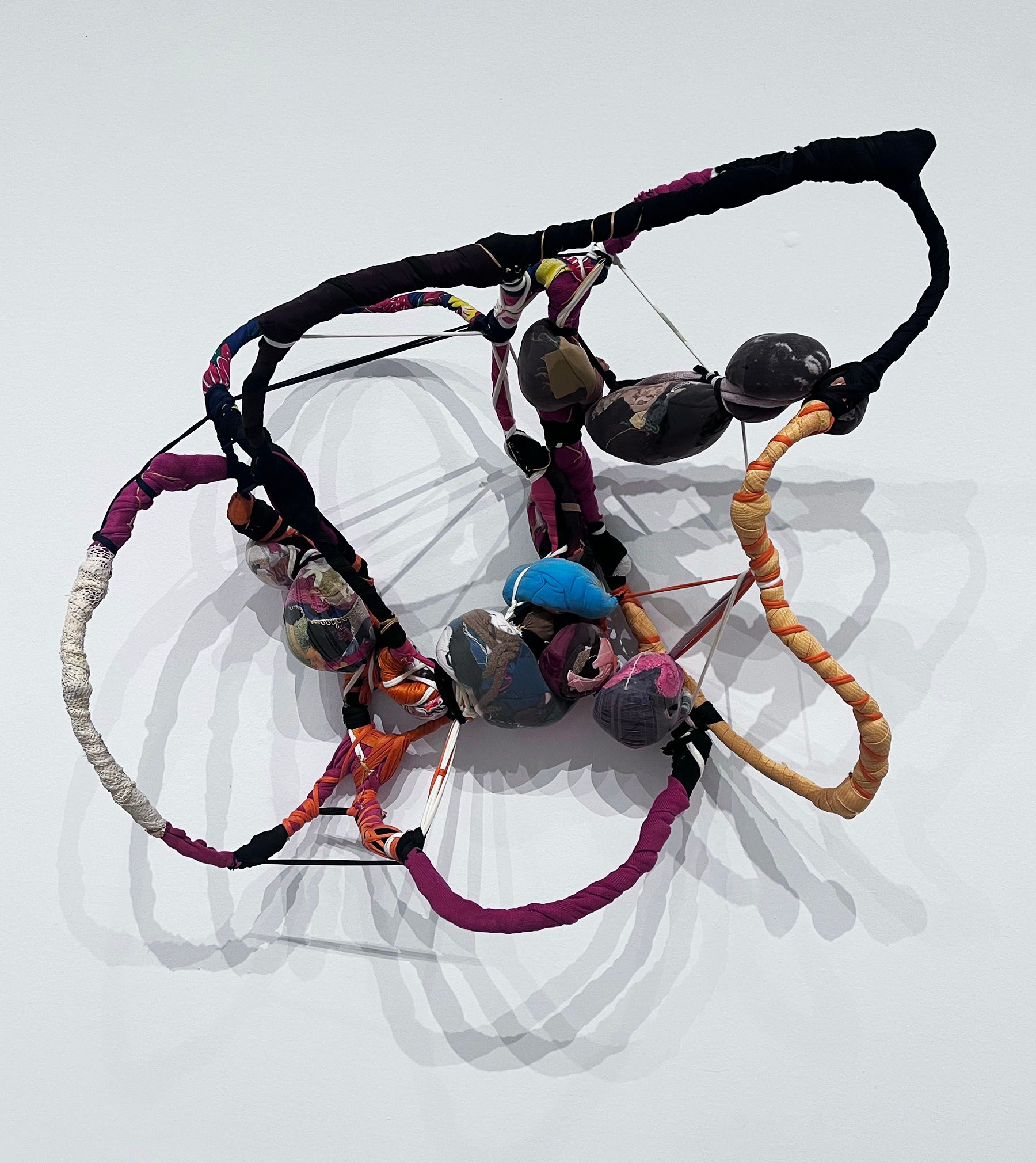
Sonia Gomes, Exhibition Imagining Black Diasporas at Lacma, Los Angeles, 2024. Photo: Eduardo Nasi
Latin America is absent from the global debate on Afro-diasporic art, says Brazilian researcher Igor Simões, curator of the exhibition Dos Brasis. His argument draws on his own research as well as a survey of dozens of publications and exhibitions at North American institutions such as the Clark Art Institute and the Getty.
C& América Latina: What is your research about, especially regarding the exclusion of Brazilian art—and more broadly, Latin American art—from global conversations on Afro-diasporic art? At first, it might seem counterintuitive—after all, looking at cultural programs in major cities, it can appear that we are experiencing a boom in Afro-diasporic art.
Igor Simões: People are usually surprised when I raise this issue. However, if Afro-diasporic art stems from the forced dispersal of Black people through the Atlantic slave trade, how can Brazil— the country with the largest Black population outside Africa—be absent?
In my research, I not only interviewed experts but also analyzed books and exhibitions on the African diaspora. Most were from the United States. After that came the United Kingdom and the English-speaking Caribbean.
It is one thing not to include every country, but to leave out Brazil? That is what strikes me. My question is: How can you not see this absence?
C&AL: Are there specific cases that illustrate this absence?
IS: I looked not only at exhibitions but also at canonical publications on Afro-diasporic art. Take The Black Atlantic, by Paul Gilroy, for example—a foundational reference among many works on the African diaspora. Where is Brazil? In the preface to the Brazilian edition, Gilroy himself expresses hope that the book will spark discussion in Brazil. It is a canonical text that attempts to address an Atlantic perspective, yet it speaks primarily to the British experience.
C&AL: Why do you turn to Lélia Gonzalez’s concept of “Améfrica”, to approach this issue?
Lélia’s points at how the concepts of African-American, of Afro-America, have been entirely captured by the U.S. imperialist lens. The idea of Améfrica assumes a horizontal approach, considering the connections across Black experiences throughout the Americas.
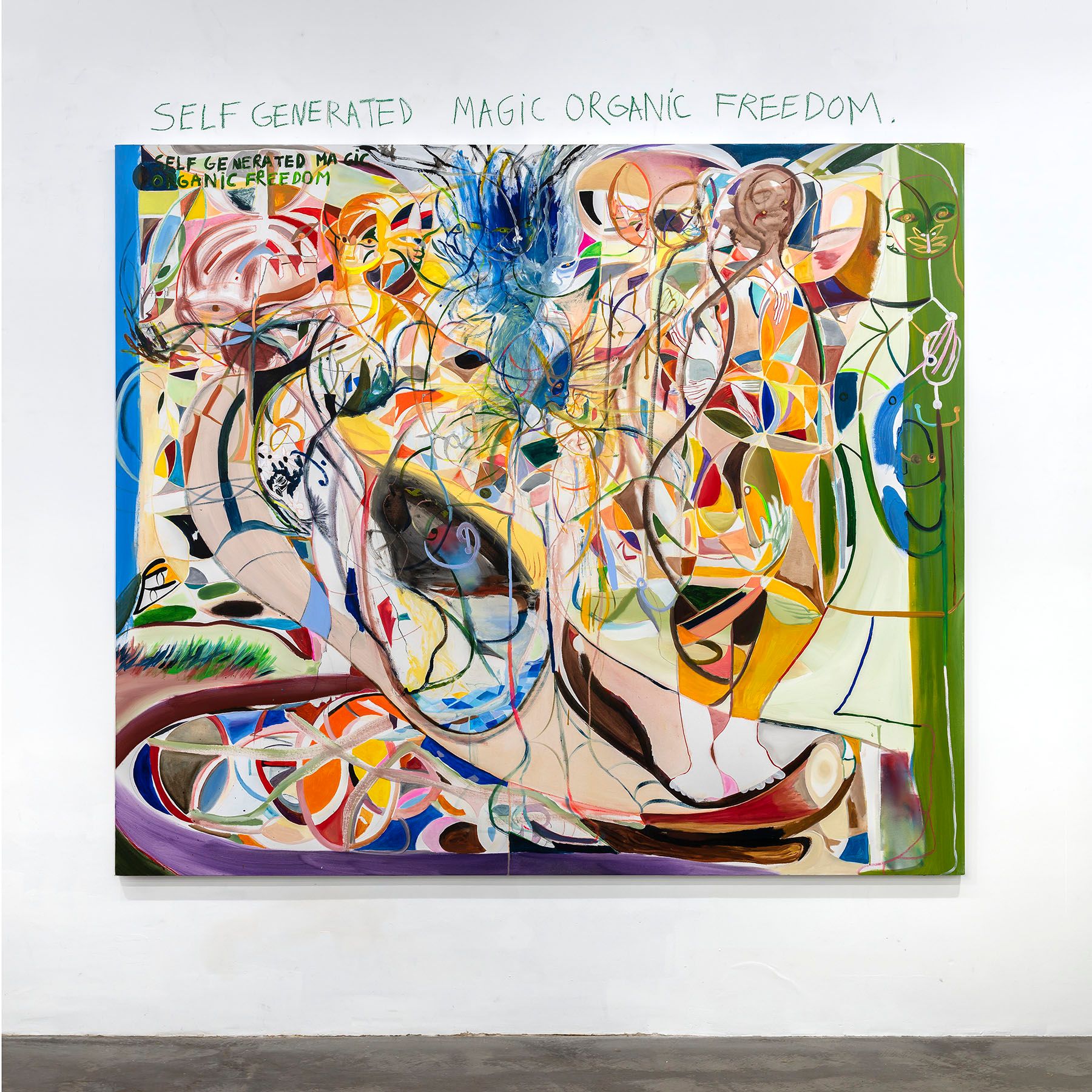
Samuel de Saboia, Self Generated Magic Organic Freedom, 2024. Photo: Gene Ogami
The idea of Améfrica assumes a horizontal approach, considering the connections across Black experiences throughout the Americas.
C&AL: Have any projects recently caught your attention as a good example?
IS: One of the most compelling exhibitions I have seen recently is Imagining Black Diasporas, curated by Dhyandra Lawson, at LACMA in Los Angeles. It stood out for presenting artists from a wide range of contexts. It also included African and Cuban artists—and three Brazilian artists: Paulo Nazareth, Sonia Gomes, and Samuel de Saboia. The exhibition opens a conversation about the threads that connect diverse aesthetic experiences across the diaspora.
C&AL: So what is the way forward? Are you trying to map out a path for those who might take on this work in the future?
IS: Whenever I start a research project, I do not just focus on the question itself—I also think about what can be done to change the current landscape. From the very beginning, this project has aimed to develop strategies. Today, the strategies I see are:
1. More publication and translation of texts on Black Brazilian art and artists, to increase their circulation internationally.
2. Geopolitics. Brazil needs to recognize itself as part of Latin America and the Améfrica experience, as Lélia Gonzalez proposes. This is not about erasing the United States, but about fostering horizontal connections among Black experiences.
3. Most importantly: organizing exhibitions of Black Brazilian artists that place Brazilian production in dialogue with the global conversation on the diaspora. This brings Latin America and the experiences of the islands into focus— hence Améfrica. The exhibition project I am currently developing—still looking for a venue and a funder—includes artists from the United States and the United Kingdom, but its focus is Brazil, alongside some African artists, as well as artists from Jamaica, Venezuela, and Colombia. I have a list of 80 artists, and the project will feature 50. Ideally, I would love to include 100, but one cannot do Dos Brasis all over again.
Igor Simões is a Brazilian researcher and curator specializing in Afro-Brazilian art and representations of Blackness.
About the author
Eduardo Nasi
Eduardo Nasi is a journalist known for his analysis of art, exhibitions, and their intersections with environmental, social, and political issues.
In Conversation
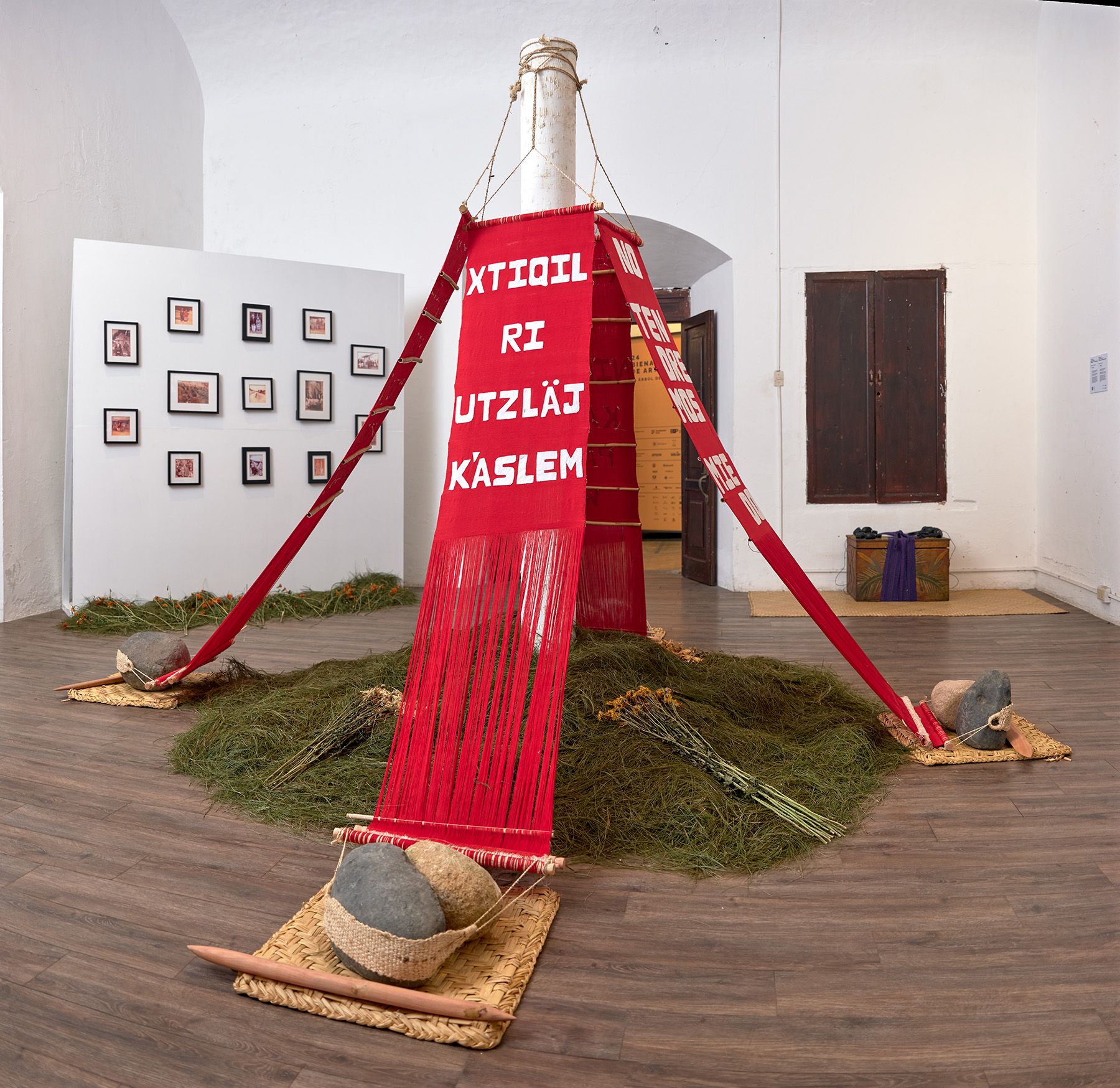
Representing the Desires of the Community in the Work of Jeff Cán Xicay
I Am Monumental: The Power of African Roots
Jesús Hilário-Reyes: Dissolving Notions of Group and Individual
In Conversation
Biophillick: Connecting Ancestries Through Technology
The Ancestral Travels of Gladys Kalichini and Maritea Dæhlin